The Essence and Evolution of Vietnamese Coffee

Vietnamese coffee is more than a beverage—it is a reflection of history, culture, and everyday life. From its colonial beginnings to its transformation into a global coffee powerhouse, Vietnam has developed a coffee culture that is both deeply traditional and constantly evolving. Through distinctive brewing techniques, social rituals, and economic significance, Vietnamese coffee tells a story of adaptation, creativity, and identity. This article explores the essence and evolution of Vietnamese coffee, examining its origins, unique practices, social impact, and growing global recognition.
The Origins of Vietnamese Coffee Culture
Vietnamese coffee culture is deeply rooted in history, shaped by colonial influence, environmental adaptation, and social transformation. Coffee was first introduced to Vietnam in the mid-19th century by French missionaries and colonial administrators, who brought Arabica coffee plants as part of broader agricultural experiments. Initially cultivated in the northern regions and later expanded to the Central Highlands, coffee quickly became intertwined with colonial economic systems that emphasized plantation agriculture and export-oriented production.
As coffee cultivation expanded, Vietnam’s climate and geography played a decisive role in shaping its coffee identity. The fertile basalt soil and tropical climate of regions such as Đắk Lắk and Gia Lai proved especially suitable for Robusta coffee. Over time, Vietnamese farmers adapted cultivation techniques to local conditions, leading to large-scale Robusta production that would later define Vietnam’s position in the global coffee market. Unlike the milder Arabica varieties favored in Europe, Robusta offered higher yields, greater resistance to disease, and a stronger, more bitter flavor profile—qualities that resonated with local tastes and economic realities.
Beyond agriculture, coffee gradually embedded itself into Vietnamese daily life. During colonial times, cafés emerged as social spaces for intellectual exchange and political discussion, particularly in urban centers such as Hanoi and Saigon. After independence, coffee transcended its colonial origins and became a symbol of everyday life, enjoyed across social classes. Whether sipped slowly at a street-side stall or shared during conversations with friends, coffee evolved into a cultural constant, reflecting resilience, adaptability, and a uniquely Vietnamese sense of community.
The Unique Brewing Techniques of Vietnamese Coffee
What truly distinguishes Vietnamese coffee from other traditions is not only the beans themselves, but the creative brewing methods developed over generations. Vietnamese brewing techniques emphasize simplicity, patience, and a deep appreciation for flavor, resulting in coffee experiences that are both ritualistic and personal. These methods highlight how cultural values are embedded in everyday practices.
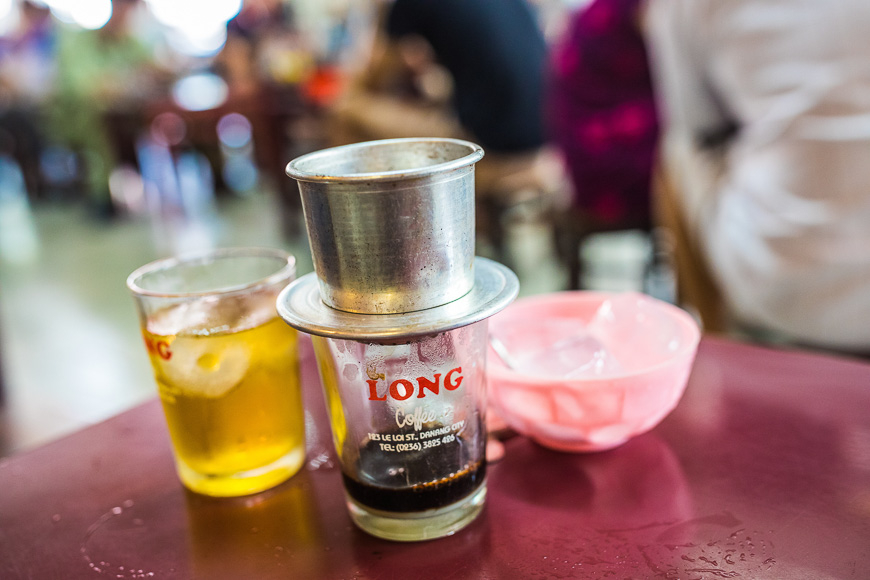
Central to this tradition is the use of the phin filter, a small metal drip brewer that has become synonymous with Vietnamese coffee. Unlike fast-paced espresso machines, the phin encourages a slow extraction process, allowing the coffee to drip gradually into the cup. This unhurried method reflects a cultural preference for mindfulness and balance, inviting drinkers to pause and engage fully with the moment.
Traditional brewing practices also reveal a broader philosophy of life in Vietnam. The emphasis on patience, simplicity, and attentiveness mirrors values found in Vietnamese cuisine and social customs. Coffee is not merely consumed for its caffeine content; it is experienced as a moment of reflection and connection.
The Role of the Phin Filter
The phin filter traces its origins to French drip brewing devices, yet it has been distinctly localized in Vietnam. Over time, it became the most accessible and widely used brewing tool across the country, valued for its affordability, durability, and ease of use. From bustling cities to rural villages, the phin remains a staple of Vietnamese coffee culture.
The slow-drip process of the phin produces a bold, concentrated brew with a full-bodied texture. As hot water passes slowly through finely ground coffee, it extracts deep, intense flavors that complement the natural strength of Robusta beans. This method results in a coffee that is both robust and aromatic, forming the foundation for many iconic Vietnamese coffee drinks.
Symbolically, the phin represents more than a brewing tool. It embodies mindfulness, patience, and connection—values deeply rooted in Vietnamese tradition. Watching coffee drip steadily into a cup encourages contemplation and conversation, turning a simple beverage into a meaningful daily ritual.
The Influence of Tradition on Brewing Methods
Vietnamese coffee brewing is also distinguished by the use of local ingredients that transform simple coffee into iconic beverages. Condensed milk, introduced during colonial times due to limited access to fresh dairy, became a defining element of cà phê sữa đá. Its sweetness balances the bitterness of Robusta coffee, creating a harmonious flavor that has become internationally recognized. Similarly, egg coffee, made with whipped egg yolks and sugar, reflects culinary ingenuity and resourcefulness.
Family recipes and generational knowledge play a crucial role in preserving these brewing techniques. Many methods are passed down informally, refined through experience rather than written instruction. This oral tradition ensures continuity while allowing subtle variations that reflect regional and personal preferences.
At the same time, Vietnamese coffee culture balances innovation with preservation. While new brewing technologies and specialty approaches continue to emerge, traditional methods remain respected and widely practiced. This balance ensures that Vietnamese coffee retains its distinctive character while remaining open to creative evolution.
The Social and Economic Impact of Vietnamese Coffee
Coffee in Vietnam is more than an agricultural product; it is a social institution and an economic pillar. For many Vietnamese people, coffee marks the beginning of the day and provides a setting for social interaction. Morning coffee rituals, afternoon breaks, and late-night conversations are often centered around a cup of coffee, reinforcing its role in daily life.
Urban landscapes across Vietnam reflect the importance of coffee culture. Cafés range from humble sidewalk setups with plastic stools to architecturally sophisticated spaces that blend tradition with modern design. These cafés serve as hubs for creativity, business meetings, and social connection, shaping the rhythm and identity of Vietnamese cities.
Economically, Vietnam’s position as the world’s second-largest coffee exporter underscores the global significance of its coffee industry. Robusta coffee dominates production and export volumes, contributing substantially to national income and rural livelihoods.
Coffee and Vietnamese Daily Life
Coffee rituals in Vietnam bridge generational and social divides. Elderly patrons and young professionals alike gather in cafés, sharing space and conversation. This inclusivity highlights coffee’s role as a social equalizer, accessible to people from all walks of life.
From street-side vendors to modern specialty cafés, coffee fosters community and belonging. These spaces encourage dialogue, observation, and shared experience, reinforcing social bonds in both traditional and contemporary settings.
Patterns of coffee consumption also reflect broader societal changes. Urbanization, globalization, and the influence of international coffee trends have diversified how coffee is prepared and enjoyed. Yet, even as lifestyles evolve, coffee remains a constant presence in Vietnamese social life.
The Role of Coffee in Vietnam’s Economy
Vietnam’s Robusta coffee production is concentrated primarily in the Central Highlands, where millions of smallholder farmers depend on coffee cultivation for their livelihoods. This sector plays a vital role in rural development and employment, contributing significantly to national export revenues.
However, Vietnamese coffee farmers face ongoing challenges, including climate change, fluctuating market prices, and increasing global competition. At the same time, opportunities are emerging through sustainable farming practices, value-added processing, and participation in specialty coffee markets.
Vietnam’s coffee industry is deeply integrated into global trade, supplying beans for instant coffee, blends, and specialty products worldwide. This integration has positioned Vietnam as a key player in the international coffee economy and a driving force in the global Robusta market.
The Global Recognition of Vietnamese Coffee
In recent decades, Vietnamese coffee has gained growing international recognition, moving beyond its role as a bulk export commodity. Unique brewing styles, distinctive flavors, and compelling cultural narratives have contributed to its rising global profile.
Vietnamese coffee has found a place in global specialty cafés, appealing to consumers seeking bold flavors and authentic experiences. Drinks such as cà phê sữa đá and egg coffee have captured international attention, offering alternatives to more familiar espresso-based beverages.
Entrepreneurs and coffee brands from Vietnam are increasingly establishing a presence in international markets. Through branding, storytelling, and innovation, they are reshaping global perceptions of Vietnamese coffee.
Export Trends and Market Influence
Vietnam’s dominance in the global coffee export market is largely driven by its Robusta production. These beans play a crucial role in supplying international demand, particularly for instant coffee and blended products.
Growing consumer interest in sustainability and fair trade is influencing Vietnamese export strategies. Efforts to improve traceability, environmental responsibility, and farmer welfare are becoming increasingly important in maintaining competitiveness.
Vietnamese coffee has also influenced global coffee culture, contributing to trends in instant coffee innovation and inspiring new specialty beverages that highlight bold, intense flavors.
The Rise of Vietnamese Coffee in International Cafés
Traditional Vietnamese coffee drinks have been adapted and popularized in cafés around the world. While recipes may be modified to suit local tastes, the core elements—strong coffee, sweetness, and slow enjoyment—remain central.
Collaborations between Vietnamese coffee brands and international cafés have helped introduce authentic flavors to new audiences. These partnerships emphasize cultural exchange and mutual appreciation, rather than simple commercialization.
Ultimately, the global rise of Vietnamese coffee reflects a broader trend toward celebrating diverse culinary traditions. As consumers become more curious and open-minded, Vietnamese coffee stands as a powerful example of how local culture can achieve global resonance.
Conclusion
The journey of Vietnamese coffee illustrates how a foreign introduction evolved into a powerful cultural symbol and economic force. Rooted in tradition yet open to innovation, Vietnamese coffee culture balances patience, simplicity, and bold flavors. From the slow drip of the phin filter to bustling street cafés and international markets, coffee continues to connect people, generations, and cultures. As global interest in authentic and diverse coffee experiences grows, Vietnamese coffee stands poised not only as a major exporter but as a respected voice in the global coffee narrative.
[…] need to know – ca phe sua da (iced coffee with milk) or ca phe den da (iced coffee, black). Vietnamese coffee is fairly bitter because of a combination of factors. The high percentage of robusta beans in most […]