Best time to visit Vietnam

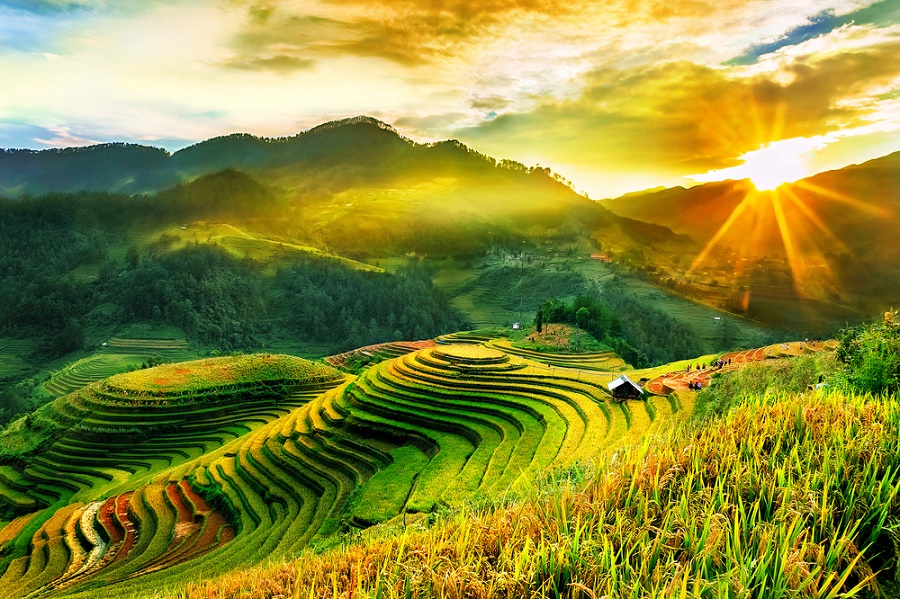
The best time to visit Vietnam depends on what you want to see and do. If you want to avoid the heat and avoid the crowds, the cool and dry winter months from December to February are a great option. This is the peak tourist season and a good time to visit popular destinations such as Hanoi, Hoi An, and Halong Bay. However, if you want to experience Vietnam’s famous beaches, the best time to visit is from April to August, when the weather is hot and sunny.
1. Overview of Vietnam’s weather
- The average year-round temperature ranges around 27°C (81°F), with slight variation depending on the region and time of year.
- The air humidity remained high, averaging about 84%, and there were also regional and seasonal differences.
- Annual rainfall reaches about 1,800 mm (71 inches), which is unevenly distributed between regions and depends on seasonal weather.
- The average number of hours of sunshine per year is around 2,000 hours but can vary significantly depending on the terrain and time of year.
- Average wind speed has no specific statistics.
- The rainy season usually lasts from May to October, which is markedly affected by the southwest monsoon, which brings thick and wet rains.
- The hot season lasts from March to May, characterized by sweltering weather with elevated temperatures and humidity.
- The cold season (also known as the cool season) takes place from November to February, under the influence of the northeast monsoon, creating cool and pleasant air.
- The monsoon period usually begins in May and lasts until November, significantly affecting the climate of the regions.
Vietnam’s weather is characterized by a monsoon climate. The Northeast monsoon is active from October to March, bringing cool and dry air from the Chinese side. On the contrary, from May to September, the southwest monsoon blows in, bringing hot and humid air from the Indian Ocean, making Vietnam’s weather during this period often hot and rainy.
April and October are considered the most pleasant weather times in Vietnam, with mild temperatures across the country. The dry season usually lasts from November to April, while the rainy season lasts from May to October. However, during the rainy season, the rain usually comes in short bursts instead of lasting all day.
2. Climate of Vietnam
Vietnam’s weather is clearly influenced by its geographical location in the tropics, with high temperatures and humidity all year round. The northern region is often characterized by a continental climate due to the influence of mainland China, while the South China Sea has a far-reaching impact, contributing to clearly shaping the tropical character of the humid monsoon characteristic of much of the territory.
However, Vietnam’s climate is not uniform across the country but differentiates into many different climate zones, changing according to the seasons and terrain: from low to high, from north to south, and from east to west. In particular, due to the strong influence of the Northeast monsoon, the average temperature in Vietnam is lower than in many countries at the same latitude in Asia.
Vietnam’s weather is divided into 8 different climate zones, based on the geographical characteristics and climatic conditions specific to each region. These regions are grouped into two main climatic regions: the North (including the northern areas of Hai Van Pass, such as the Northwest, Northeast, the Red River Delta, and the North Central Region) and the South (including the areas south of Hai Van Pass, such as the South Central Coast, the Central Highlands, the Southeast, and the Mekong Delta).
(1) Northern Vietnam is characterized by a tropical monsoon climate, with four distinct seasons: spring, summer, autumn, and winter. The region is strongly influenced by the northeast monsoon from the Asian continent and the southeast monsoon, which causes high humidity and seasonal fluctuations in temperature.
(2) Meanwhile, the South of Vietnam has a milder climate, less affected by the monsoon, with a typical tropical climate, hot all year round and divided into two main seasons: the rainy season and the dry season.
In addition to the climatic zoning by region, Vietnam’s weather also has climatic sub-zones due to the influence of topography. Some highland and mountainous areas have a temperate climate all year round, such as Sa Pa (Lao Cai) and Da Lat (Lam Dong), while some places, such as Lai Chau and Son La, have the characteristics of a continental climate with a large temperature difference between day and night.
3. Temperature
Vietnam’s weather has significant changes in temperature during the year, clearly reflecting the characteristics of the tropical monsoon climate. A record high temperature of 44.2°C (111.6°F) was recorded in Tuong Duong district, Nghe An province, on May 7, 2023. In the opposite direction, the lowest temperature was -6.4°C (20.5°F) in Sapa on December 31, 1975, indicating climatic diversity by topographic region.
The average annual temperature in Vietnam ranges from 21°C to 27°C, tending to gradually increase from north to south. In summer, the average temperature across the country is about 25°C, of which Hanoi is about 23°C, Hue is about 25°C, and Ho Chi Minh City is about 27°C. In winter, especially in December and January, the North becomes colder, with temperatures that can drop to 0°C in high mountainous areas such as Sa Pa, Tam Dao, and Hoang Lien Son, and even snowfall.
In addition, Vietnam’s weather is characterized by an abundance of solar radiation, with the number of hours of sunshine ranging from 1,400 to 3,000 hours/year. The average annual rainfall is from 1,500 to 2,000 mm, and the air humidity is always above 80%. However, due to the influence of monsoons and complex terrain, our country often faces extreme weather phenomena such as storms, floods, and droughts, which greatly affect life and production.
4. What is the best time to visit Vietnam?
Peak season (June–July)
The peak tourist season in Vietnam usually falls around June to July, coinciding with the summer vacation of many Western countries. At this time, Vietnam’s weather is characterized by clear blue skies and a hot and humid climate ideal for beach trips. However, this is also the time when the number of tourists increases sharply, leading to an increase in the price of accommodation services, tours, and transportation.
The period of June–July is the ideal time to:
- Enjoy a seaside vacation in the Central and Southern provinces.
- Explore cultural destinations in the Northern region with more pleasant weather
- Participate in special festivals taking place across the country

However, if you are not used to high heat and humidity, you should consider avoiding big cities such as Hanoi or Ho Chi Minh City during these months, as the weather in Vietnam at this time can be quite hot.
Low season (September–October)
September to October is a great time to travel to Vietnam, as the weather in Vietnam becomes mild and pleasant across the country. This is the middle of the peak season; the number of tourists decreases, and the price of services also becomes more reasonable, creating favorable conditions for economical but still quality trips.
Some of the highlights during this time include:
- Cool daytime temperatures and low humidity make moving and sightseeing more comfortable.
- Cultural festivals and unique local events take place in many regions.
- Fresh and abundant fruit harvest season
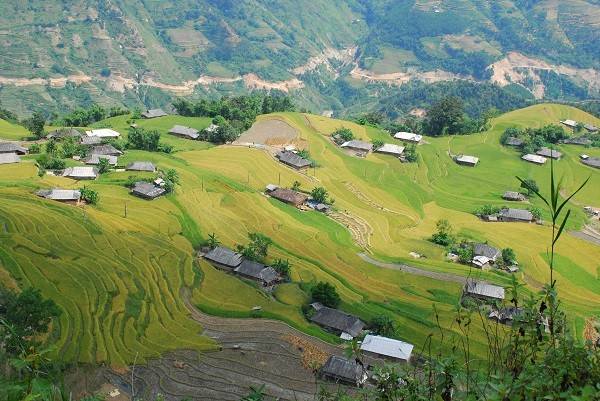
- The terraced fields in the Northern mountains are at their most beautiful, green and full of vitality.
Rainy season (May–September)
The rainy season in Vietnam usually lasts from May to September, with the wettest months being June, July, and August. During this period, Vietnam’s weather is characterized by high humidity, frequent heavy rains, and the risk of typhoons in some areas, especially coastal areas.
However, the rainy season still has its own advantages, including
- Accommodation and tour prices have dropped significantly.
- Less crowded attractions, providing a more relaxed experience
- Lush natural landscape, brilliant green thanks to rain
With a little preparation, like bringing a raincoat and planning indoor activities in the afternoon when heavy rain usually occurs, you can still enjoy a great vacation. Vietnam’s weather during the rainy season is not entirely favorable, but it opens up different and peaceful perspectives on the country.
Hurricane season (July–November)
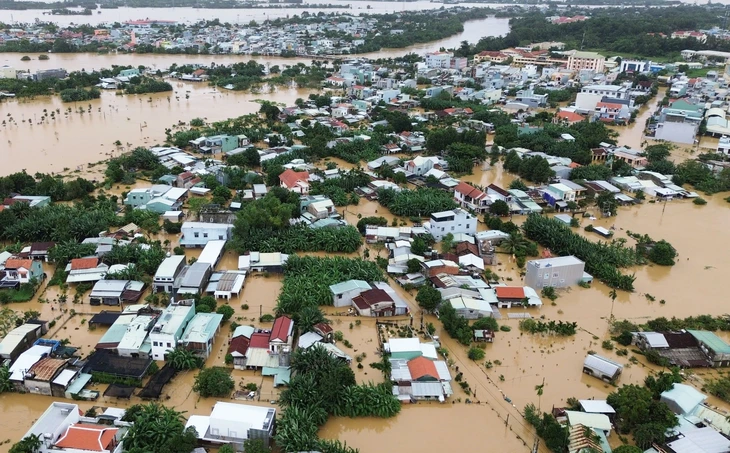
The period of typhoons that usually occur in Vietnam lasts from July to November, with the highest risk period being from August to October. Vietnam’s weather during this period is susceptible to strong tropical storms, which can lead to floods, landslides, flight delays, and cancellation of outdoor tourism activities.
When traveling during hurricane season, you should:
- Keep a close eye on weather forecasts and flexibly adjust schedules.
- Prepare alternatives for outdoor activities, prioritizing indoor experiences
- Consider buying travel insurance to prevent weather-related incidents.
- Avoid staying in the basement or on the ground floor to minimize the risk in the event of flooding.
Although typhoons are often unpredictable, Vietnam’s weather after typhoons usually quickly clears up after just one to two days. With careful preparation, you can still enjoy a safe and enjoyable trip even during the rainy and stormy season.
Conclusion
Ultimately, the best time to travel to Vietnam depends on the individual traveler’s personal preferences and priorities. By considering the factors related to Vietnam’s weather along with the information in this article, you can make the most suitable choice to have a complete journey in this beautiful country.
No comments yet. Be the first to leave one.