Getting to Fansipan from Sapa: Transportation, Routes, and Practical Tips

Getting to Fansipan from Sapa: Transportation, Routes, and Practical Tips
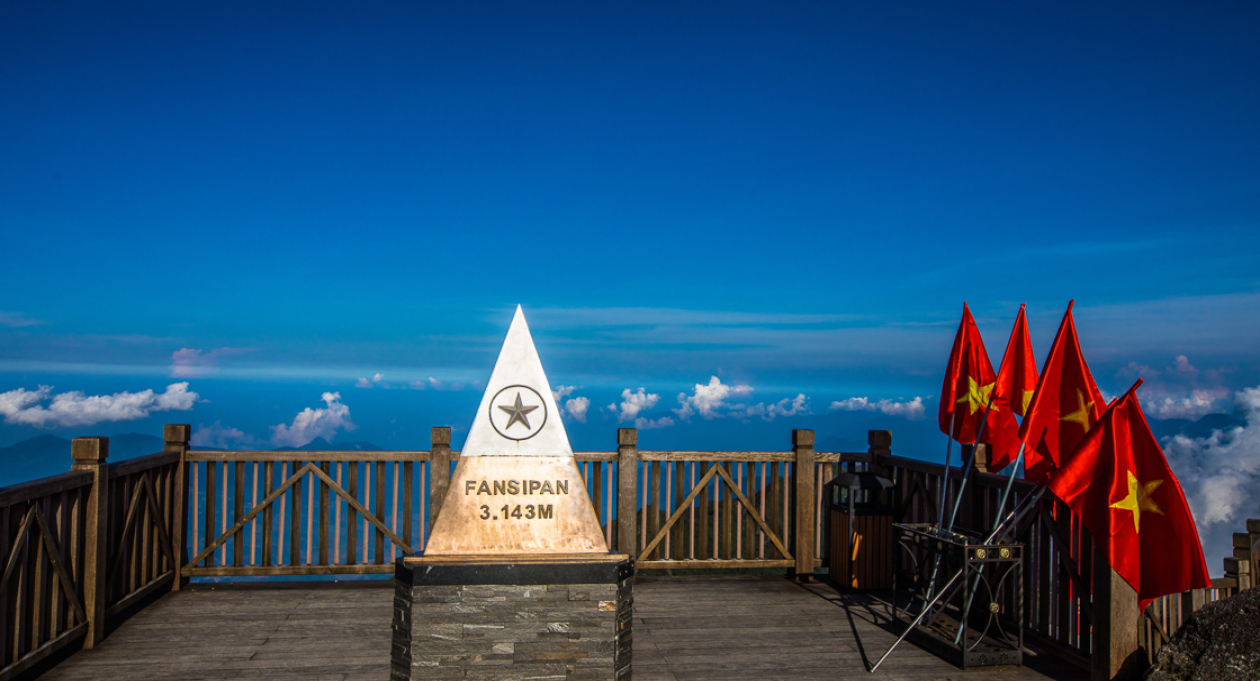
Fansipan, often called the Roof of Indochina at 3,147 meters, rises above the Hoang Lien Son range just southwest of Sapa. Reaching its summit can be as easy as a half-day cable car excursion or as ambitious as a multi-day trek through cloud forests and granite ridgelines. This guide outlines the main transportation options, route choices, timing, and logistics to get you from Sapa to Fansipan efficiently and safely.
Overview: Your Options from Sapa
- Fastest: Funicular from Sapa town to the cable car station, cable car to near the summit, then a short funicular or stairs to the top.
- Moderate effort: Combine the funicular and cable car, then hike the final steps instead of taking the upper funicular.
- Full trekking experience: Guided hike via Tram Ton Pass or Sin Chai, 1 to 3 days depending on fitness and conditions.
Key Transport Links
-
Sapa Town to Muong Hoa funicular
- Start near the stone church in central Sapa. The Muong Hoa funicular runs down to the Fansipan cable car terminal.
- This short rail link bypasses the winding road and saves time and energy.
- Alternative: Taxi or motorbike from Sapa to the cable car terminal if the funicular schedule does not align with your plans.
-
Cable car from Fansipan cable car terminal to the upper station
- The cable car spans the Muong Hoa Valley and ascends thousands of meters to an upper station near the summit complex.
- The ride takes around 15 to 20 minutes, with panoramic views of terraced rice fields, ridgelines, and drifting clouds.
- Weather can affect operations. If high winds or storms are present, expect delays or temporary closure.
-
Upper station to the summit
- Option A: Upper funicular to near the summit. Minimal walking required.
- Option B: Stairs and paths through pagodas and viewpoints. This involves climbing hundreds of steps, which is manageable for most visitors but can be tiring at altitude.
Time Estimates
- Sapa town to funicular: 10 to 15 minutes on foot depending on your hotel location, or a short taxi hop.
- Funicular ride: about 5 minutes.
- Cable car ride: about 15 to 20 minutes.
- Upper station to summit: 10 to 30 minutes depending on whether you take the funicular or walk the steps.
- Overall round trip with minimal waiting: 2 to 3 hours from Sapa if lines are short. In peak periods, build in extra time for ticketing and queues.
Trekking Routes from Sapa If you prefer the classic alpine approach, trekking routes deliver the full Fansipan experience, with mossy forests, bamboo groves, and occasional scrambling. Due to park regulations and route complexity, most hikers go with a licensed guide.
Common trekking routes:
- Tram Ton Pass route
- Start at the Hoang Lien National Park ranger station on Tram Ton Pass, also called O Quy Ho Pass, roughly 15 km from Sapa.
- Transportation: Taxi or motorbike from Sapa to the ranger station. Allow 30 to 45 minutes depending on weather and traffic.
- Duration: Fit trekkers can complete a long day hike, but most opt for 2 days with an overnight at a campsite or hut. Multi-day variations add side ridges and more relaxed pacing.
- Terrain: Forest trails, rocky sections, mud in wet season, and steep final ascent to summit.
- Sin Chai route
- Starts near the Black Hmong village of Sin Chai, closer to Sapa than Tram Ton but more direct and steeper.
- Transportation: Short taxi or motorbike ride from town to the trailhead.
- Duration: Usually 2 days; the grade is steeper with some technical sections depending on conditions.
- Terrain: Dense forest, slippery sections during rain, straightforward navigation for guides but not recommended solo.
Permits and guides:
- Access falls under Hoang Lien National Park. A guide is strongly recommended and often mandatory for summit routes. Tour companies in Sapa can arrange permits, meals, porters, and camping gear.
- Overnight tents or huts are used on multi-day treks. Expect basic conditions.
Best Time to Go
- Ideal seasons: Late September to November, and March to May. Typically clearer skies, manageable temperatures, and lower rain risk.
- Rainy season: May to September can bring heavy showers and slippery trails. Cable car may face wind-related closures.
- Winter: December to February can be cold, with occasional frost or light snow near the summit. Pack warm layers.
Weather and Altitude Considerations
- Rapid weather changes are common. Clouds and wind build quickly in the afternoon.
- Even with the cable car, you ascend from around 1,600 meters in Sapa to over 3,000 meters near the summit in under an hour. Mild shortness of breath or lightheadedness is common. Hydrate, move steadily, and take breaks.
- For trekkers, factor in acclimatization. An extra day in Sapa before the hike helps.
Tickets and Pricing
- Purchase funicular and cable car tickets at their respective stations or via authorized vendors in Sapa. Combo tickets are often available.
- Prices vary by season, age category, and local promotions. Bring cash and a card; lines can form during holidays and weekends.
- For trekking, tour packages bundle permits, guides, meals, and transport. Compare inclusions rather than price alone.
What to Pack
- Cable car visitors: Windproof jacket, comfortable shoes with grip, water, sun protection, and a camera. Temperatures near the summit can be several degrees cooler than Sapa.
- Trekkers: Sturdy hiking boots, rain shell, insulating layers, trekking poles, headlamp, gloves, snacks, water purification, blister care, and a pack cover. In wet months, gaiters are helpful.
How to Choose Between Cable Car and Trek
- Choose the cable car if you want the summit experience with minimal exertion, limited time, or are traveling with family.
- Choose a trek if you value the journey as much as the summit, are comfortable with mountain weather, and have adequate fitness.
- Many travelers combine both: trek to the summit and descend by cable car if your guide service arranges it and conditions permit.
Step-by-Step: Fastest Summit Plan from Sapa
- From your Sapa hotel, walk or take a short taxi ride to the Muong Hoa funicular station near the town center.
- Ride the funicular to the Fansipan cable car terminal.
- Buy or present your cable car ticket and board the next cabin.
- At the upper station, decide between the summit funicular or walking the steps.
- Explore the pagoda complex and viewpoints, take photos on the summit platform, and monitor weather for the return.
- Return via the same route, leaving buffer time for any queues.
Step-by-Step: Classic Trek via Tram Ton
- Arrange a guide in Sapa a day in advance. Confirm permits, meals, camping gear, and transport.
- Early morning taxi to Tram Ton Pass ranger station for registration and safety briefing if required.
- Ascend through forest and bamboo zones, breaking for lunch at a designated rest spot.
- Camp overnight in a pre-arranged hut or campsite.
- Early summit push at dawn for clearer views, then descend to Tram Ton or exit via an alternate route if planned.
- Return to Sapa by pre-arranged vehicle.
Safety and Etiquette
- Stay on marked trails. The terrain is fragile, and sudden weather shifts can obscure paths.
- Pack out all trash. Avoid loud music and respect cultural sites near the summit complex.
- Inform your hotel or a contact about your trekking plan and expected return time.
- In the rainy season, ask local operators for the latest trail conditions before you commit.
Transportation Tips in Sapa
- Taxis and ride-hailing: Metered taxis are common in town. Confirm estimated fare before departing for Tram Ton Pass or the cable car terminal.
- Motorbike: Daily rentals are available for experienced riders. Roads to Tram Ton are steep and can be slick; wear a helmet and ride cautiously.
- Private car: Hotels and tour offices can arrange private cars for smoother logistics, especially useful for early starts or larger groups.
Photography and Viewpoints
- For cable car riders, sit near windows for valley and ridge views. Early morning or late afternoon light is best.
- On foot, lookout points appear along the summit steps, with stone terraces and statues providing good frames for images.
- Clouds often thin briefly between gusts. Wait a few minutes at viewpoints for openings.
Sustainability and Local Impact
- Support local guides and porters; their knowledge improves safety and enriches the experience.
- Choose operators who respect park rules and minimize waste.
- Buy water in larger containers and refill smaller bottles to reduce plastic.
Bottom Line
- For speed and comfort, the funicular plus cable car route delivers you from Sapa to Fansipan’s summit in a couple of hours, with minimal walking.
- For adventure, guided treks via Tram Ton or Sin Chai are rewarding but demand preparation, fitness, and flexibility with weather.
- Build buffer time, check conditions, and pick the transportation and route that match your ability and schedule. With the right plan, reaching Fansipan from Sapa is straightforward, safe, and memorable.
No comments yet. Be the first to leave one.