
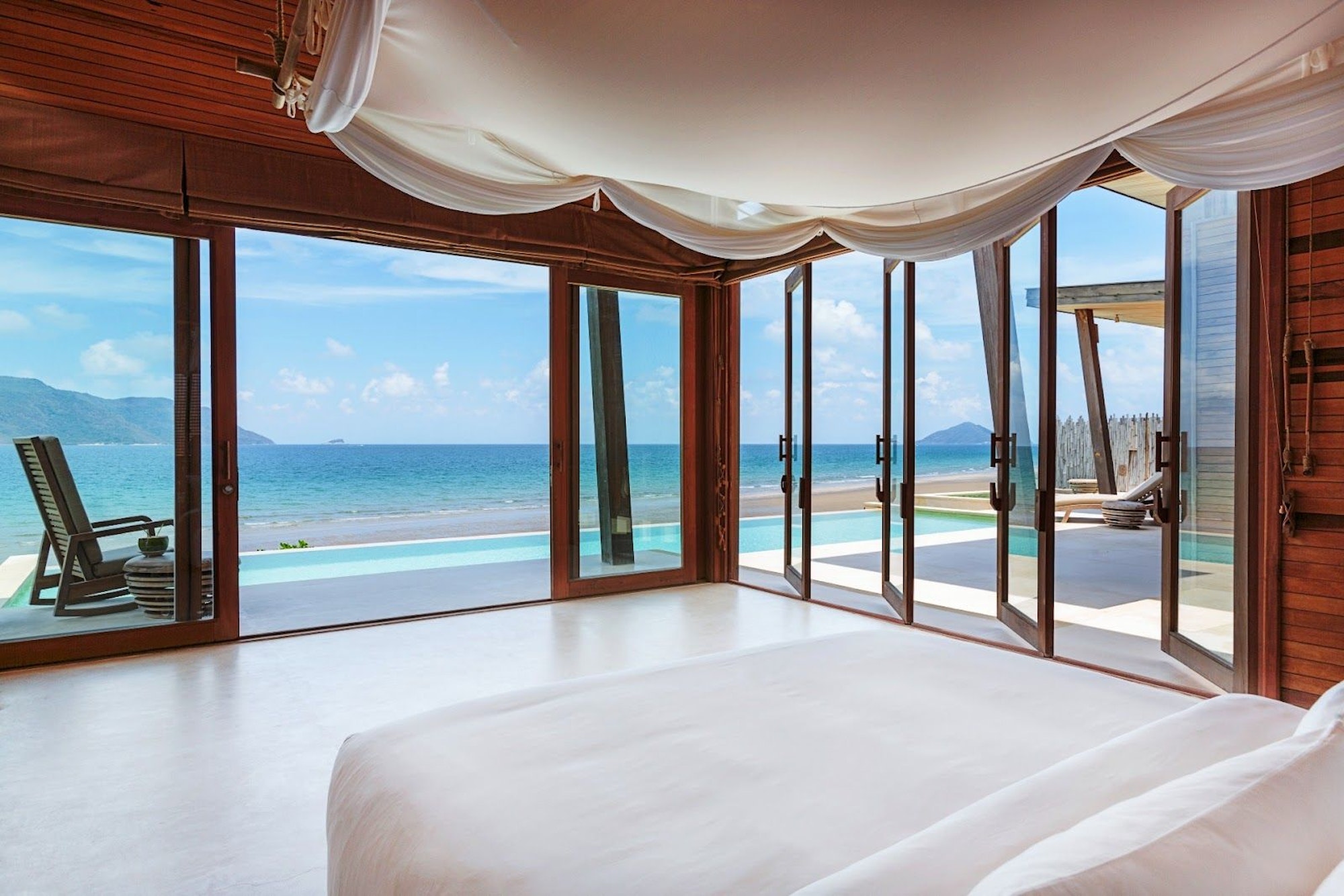


Da Nang and Ba Na Hills are among Vietnam’s most iconic travel destinations, attracting millions of domestic and international visitors each year. Da Nang is a vibrant coastal city known for its modern infrastructure, beautiful beaches, and convenient access to central Vietnam’s cultural heritage sites. Just 25 kilometers west of the city lies Ba Na Hills, a mountaintop resort complex famous for its cool climate, stunning landscapes, and world-class attractions.
A common question for travelers is: How does traveling from Da Nang to Ba Na Hills offer a unique blend of natural beauty and cultural experiences? The answer lies not only in the destination itself but also in the journey—one that takes visitors from a bustling seaside city into lush mountains filled with history, architecture, and entertainment.
Traveling from Da Nang to Ba Na Hills is a captivating journey that combines breathtaking scenery, historical insights, and thrilling activities. From scenic mountain roads to record-breaking cable cars and iconic landmarks, this trip offers an unforgettable experience for travelers of all interests.
The Journey to Ba Na Hills
Transportation Options from Da Nang
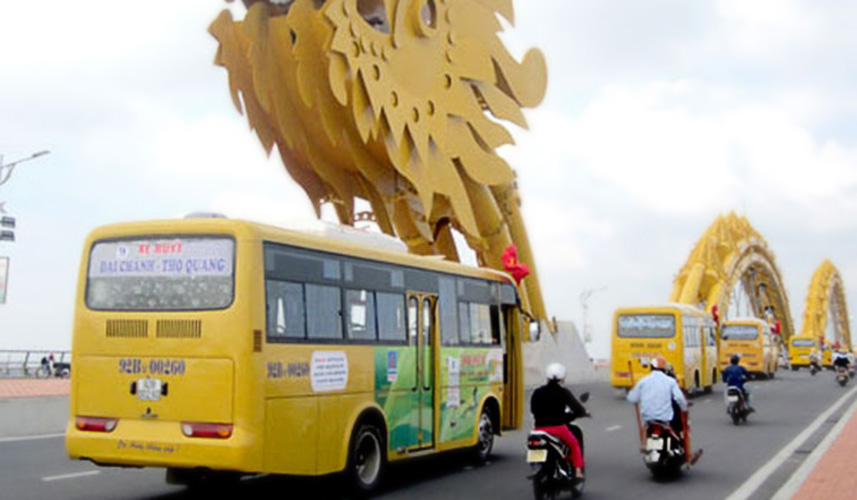
There are several convenient ways to travel from Da Nang to Ba Na Hills, making it accessible for both independent travelers and tour groups. The most popular option is traveling by private car or taxi, which takes approximately 40–50 minutes depending on traffic. This option offers flexibility, comfort, and direct access to the Ba Na Hills cable car station.
Motorbikes are another choice for adventurous travelers who enjoy scenic rides, though this option is better suited for experienced riders due to winding mountain roads. Additionally, many visitors opt for guided tours that include round-trip transportation, entrance tickets, and sometimes meals, offering a hassle-free experience.
While vehicles take travelers close to the entrance, the iconic cable car system is the primary mode of transport to reach the summit attractions.
The Scenic Route to Ba Na Hills
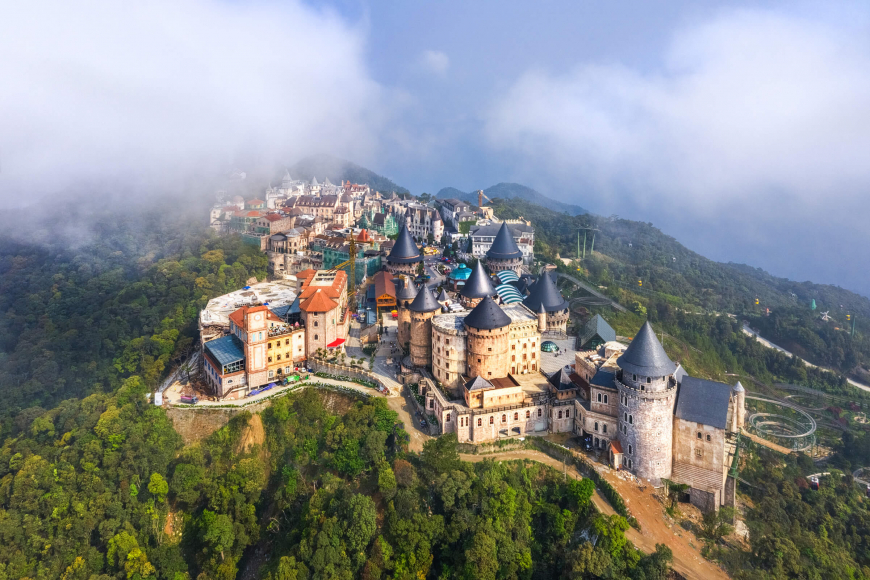
The drive from Da Nang to Ba Na Hills is a scenic transition from urban landscapes to lush countryside. As travelers leave the city, they are greeted by rolling hills, dense forests, and panoramic views of the surrounding mountains. The road gradually ascends, offering glimpses of waterfalls, misty peaks, and untouched greenery, creating a sense of anticipation before reaching the cable car station.
This scenic route highlights the natural beauty of central Vietnam and sets the tone for the immersive experience that awaits at Ba Na Hills.
The Cable Car Experience
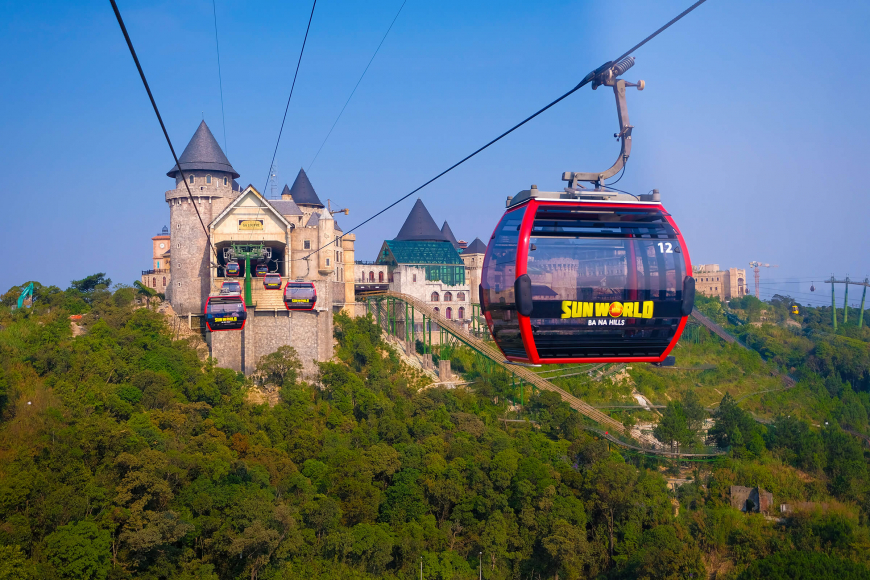
One of the most remarkable aspects of visiting Ba Na Hills is the cable car ride, which is recognized as one of the longest and highest cable car systems in the world. The journey lasts around 15–20 minutes and provides breathtaking aerial views of jungles, valleys, and mountain ridges below.
As the cable car ascends, temperatures become cooler, and clouds often drift past the cabins, creating a surreal and almost magical atmosphere. This ride is not only a means of transportation but also a highlight of the trip, offering unforgettable views and a sense of adventure.
Attractions at Ba Na Hills
Ba Na Hills is a diverse destination that combines natural beauty, cultural heritage, and modern entertainment. From iconic landmarks to historical villages and thrilling attractions, the area offers something for every type of traveler.
The Golden Bridge

The Golden Bridge is Ba Na Hills’ most famous landmark and an architectural marvel that has gained global recognition. Suspended nearly 1,400 meters above sea level, the bridge appears to be held up by two massive stone hands emerging from the mountainside, symbolizing a connection between humanity and nature.
The bridge has become a top photography spot due to its dramatic design and panoramic views of the surrounding mountains. Since its debut, the Golden Bridge has played a significant role in promoting Vietnamese tourism worldwide, frequently featured in international media and travel publications.
Cultural and artistic elements are seamlessly integrated into the bridge’s design, blending mythology, nature, and modern engineering into a powerful visual statement.
French Village and Historical Insights
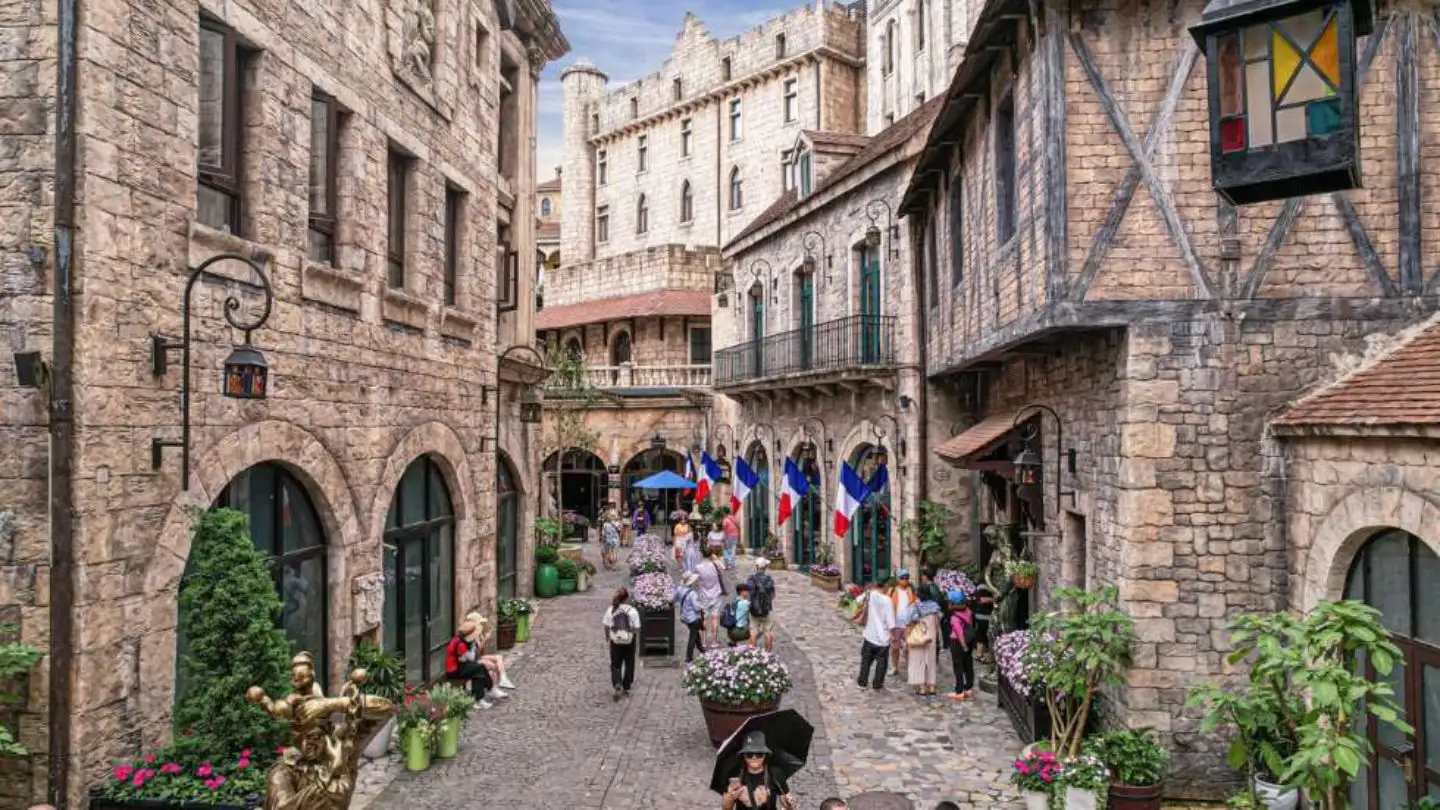
The French Village at Ba Na Hills transports visitors to a European-inspired setting with its cobblestone streets, Gothic-style churches, and classic French architecture. This area reflects the resort’s origins as a French colonial retreat in the early 20th century, when Ba Na Hills served as a cool-climate escape for French officials.
Beyond architecture, the village offers cultural performances, street entertainment, and festivals that showcase both European influences and Vietnamese heritage. These experiences provide historical context while creating a lively and immersive atmosphere for visitors.
Thrilling Activities and Entertainment

Ba Na Hills is also home to Fantasy Park, one of Asia’s largest indoor entertainment complexes. This family-friendly attraction features a wide range of rides, arcade games, 4D cinemas, and adventure zones suitable for all ages.
For nature lovers, Ba Na Hills offers scenic hiking trails, flower gardens, and peaceful walking paths that allow visitors to explore the natural surroundings at a relaxed pace. The Le Jardin d’Amour gardens, in particular, are known for their themed layouts and vibrant floral displays.
Dining options are equally diverse, with restaurants serving traditional Vietnamese dishes alongside international cuisines such as French, Korean, and Western-style buffets. This variety ensures that visitors can enjoy both local flavors and familiar comfort foods during their stay.
Conclusion
The journey from Da Nang to Ba Na Hills is more than just a short trip—it is a complete travel experience that seamlessly blends natural beauty, historical depth, and exciting entertainment. From the scenic mountain drive and record-breaking cable car ride to iconic attractions like the Golden Bridge and French Village, every stage of the journey offers something memorable.
Ba Na Hills stands as a symbol of Vietnam’s growing appeal as a world-class travel destination, showcasing the country’s ability to combine tradition, innovation, and natural landscapes. Its popularity reflects Vietnam’s dynamic tourism development and cultural richness.
For travelers seeking adventure, cultural exploration, and relaxation in a single destination, the journey from Da Nang to Ba Na Hills is an essential experience—one that leaves lasting impressions and unforgettable memories.

Leave a Reply